

Interactive Ways to Evaluate Students Online
The shift to virtual classrooms has transformed the way students learn, but it has also challenged traditional assessment methods. In online learning, simply replicating pen-and-paper exams is often ineffective. Students may face distractions, technical issues, or limited supervision, which can make standard assessments less reliable. To truly measure understanding, educators need to adopt interactive and creative assessment methods that engage students while evaluating their learning outcomes effectively.
Why Interactive Assessment Matters
Interactive assessments go beyond rote memorization. They encourage critical thinking, problem-solving, collaboration, and creativity, all of which are essential skills in the 21st century. In virtual classrooms, where direct observation is limited, interactive assessments also provide continuous feedback, helping both teachers and students identify strengths and areas for improvement.
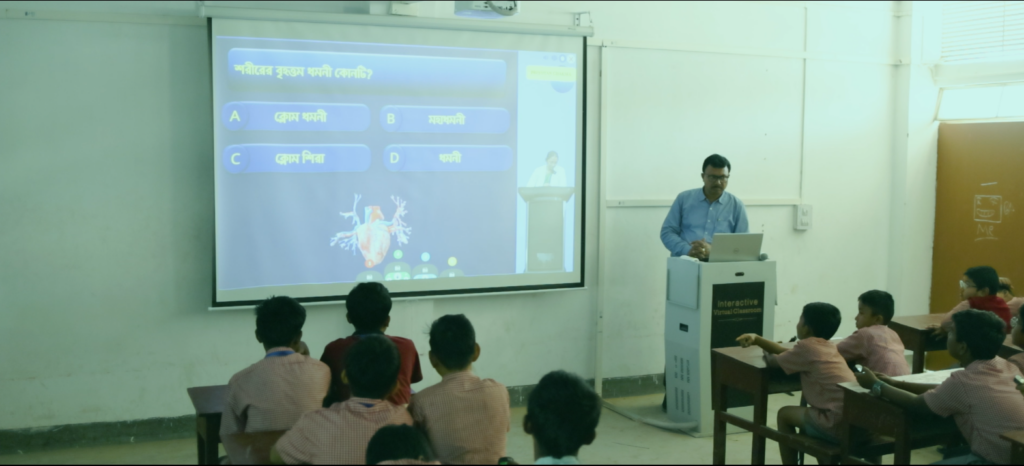
Moreover, in states like Tripura, where many schools are embracing digital learning platforms, innovative assessment methods ensure that students remain motivated and engaged. Instead of passive participation, students are encouraged to actively demonstrate their understanding, making learning more meaningful and enjoyable.
Creative Assessment Methods for Online Classes
1. Quizzes and Polls
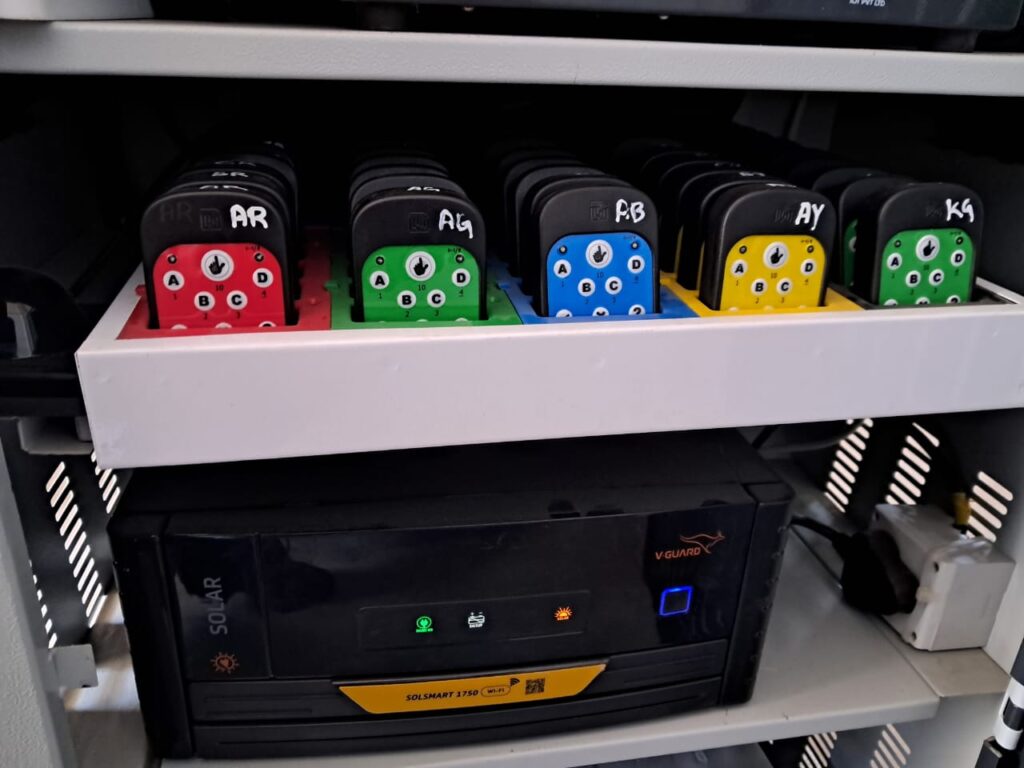
Short, timed quizzes or live polls during a virtual class can assess knowledge instantly. Tools like Google Forms, Kahoot, or Mentimeter allow teachers to make quizzes interactive and fun, with immediate feedback that helps students understand their mistakes.
2. Discussion-Based Assessments
Instead of traditional exams, teachers can assess students through online discussions, forums, or debate sessions. By asking students to explain concepts, defend viewpoints, or respond to peers, educators can gauge comprehension, critical thinking, and communication skills.
3. Project-Based Assignments
Projects allow students to apply what they’ve learned to real-world problems. These can include creating presentations, designing posters, developing digital content, or conducting research. Project-based assessments are ideal for fostering creativity and deeper understanding.
4. Peer Assessments
Encouraging students to review each other’s work not only helps the reviewer develop evaluative skills but also gives valuable feedback to the author. Peer assessments foster collaboration and accountability in a virtual learning environment.
5. Interactive Simulations and Gamified Assessments
Virtual simulations or gamified platforms can test skills in practical scenarios. For example, science students can perform virtual experiments, or language learners can participate in role-playing games. These interactive methods make assessment engaging and experiential.
6. Reflective Journals or Portfolios
Asking students to maintain digital journals or portfolios allows them to track their progress over time. Teachers can evaluate understanding, growth, and effort rather than just outcomes. This method is particularly effective for subjects requiring creativity or long-term projects.
7. Video or Audio Submissions
Students can submit short video or audio responses explaining concepts, summarizing lessons, or demonstrating practical skills. This approach encourages articulation, confidence, and the ability to present ideas clearly.
8. RAFT Assessments
RAFT (Role, Audience, Format, Topic) assessments give students a structured, creative way to demonstrate learning. For example, a student might take on the role of a scientist (Role), explain findings to a classmate (Audience) through a short video (Format) about climate change (Topic). This method encourages creativity, perspective-taking, and application of knowledge in diverse contexts, making assessment more meaningful and personalized.
Best Practices for Effective Online Assessment
While creative methods are effective, their success depends on careful implementation. Clear instructions, rubrics, and deadlines are essential. Teachers should also consider flexibility and accessibility, ensuring that students with varying internet connectivity or technical resources can participate fairly. Providing timely feedback helps students improve and keeps them motivated.
Finally, a balanced approach combining traditional quizzes with interactive assessments often works best. While automated quizzes test factual knowledge, discussion-based, project-based, or RAFT methods evaluate higher-order thinking skills and creativity.
Conclusion
Assessing students in online classes doesn’t have to be monotonous or limited to multiple-choice questions. By embracing creative, interactive methods including RAFT, peer review, simulations, and reflective portfolios educators can make evaluation engaging, fair, and meaningful. These approaches not only measure academic performance but also nurture critical thinking, collaboration, and creativity.
For the many schools in Tripura and across the country embracing virtual learning, adopting smarter assessment strategies ensures that students continue to grow academically while staying motivated and involved in their learning journey.