Building a Positive Virtual Classroom Environment
In today’s digital-first world, virtual classrooms have become an essential part of education. While they provide flexibility and access to learning, they also present unique challenges. One of the biggest hurdles is creating a positive and engaging online learning environment. A classroom is not just about delivering lessons; it’s about building connection, collaboration, and a sense of community. Students thrive when they feel included, supported, and motivated, and the virtual classroom is no exception.
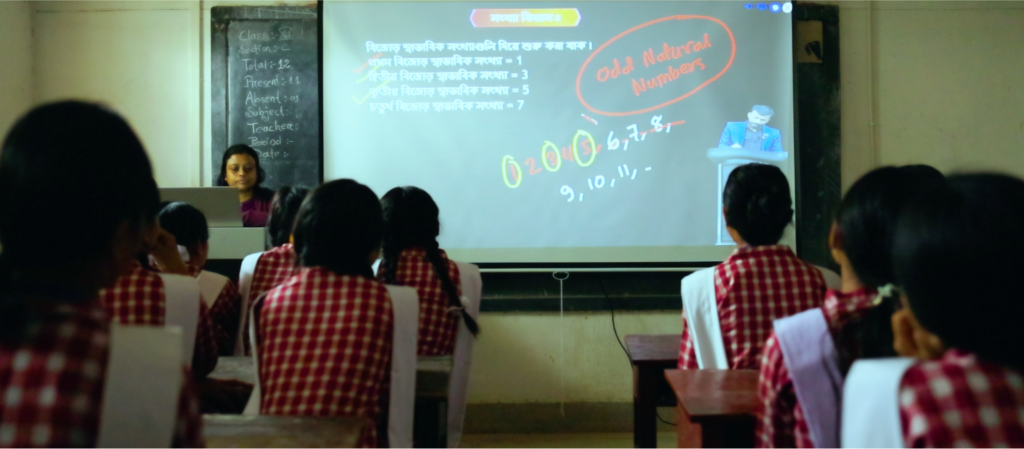
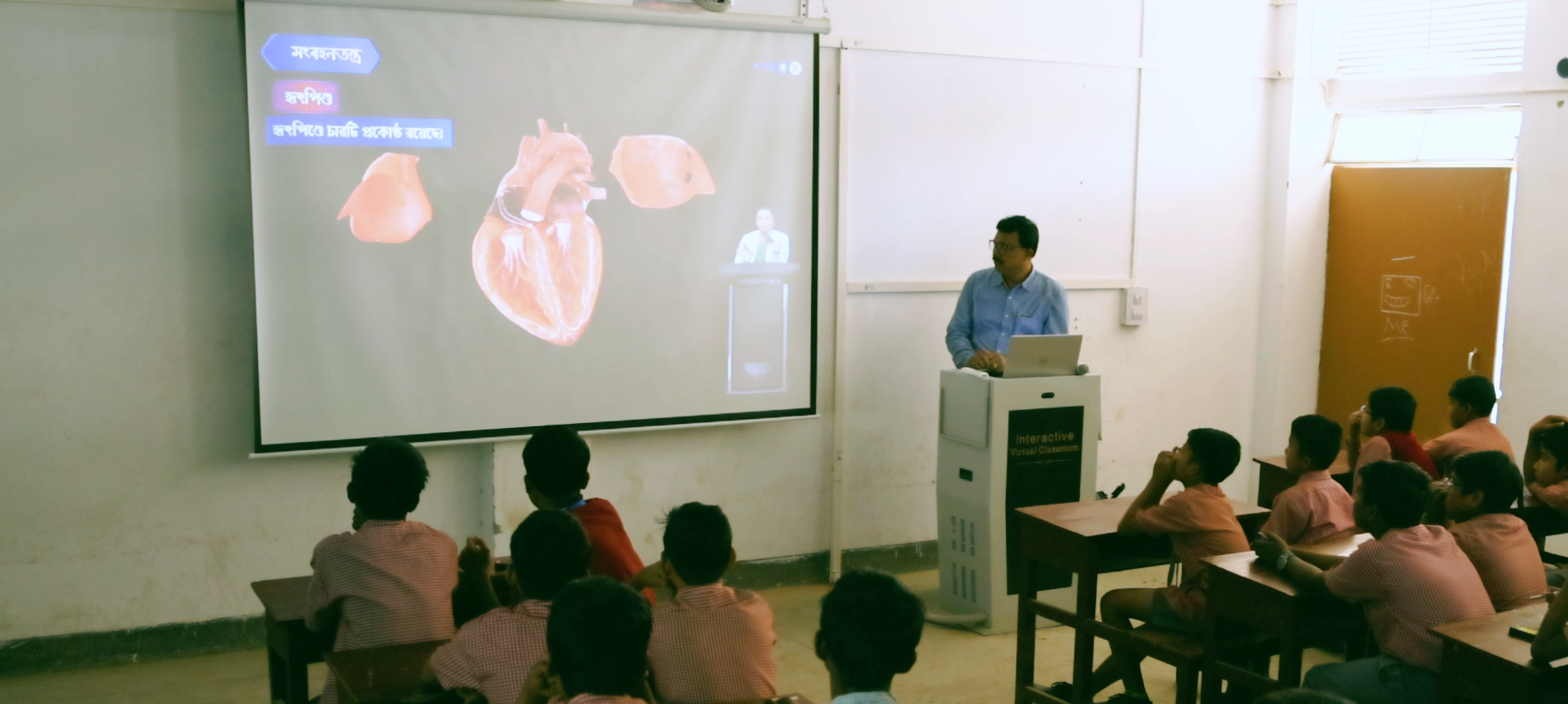
In Tripura, over 240 schools have embraced virtual learning platforms, making it more important than ever to cultivate a supportive online environment. For students logging in from their homes, the sense of isolation can be overwhelming. Without the informal interactions of a traditional classroom, it’s easy for learners to feel disconnected or disengaged. Creating a positive environment online is therefore essential, not only for maintaining engagement but also for fostering mental well-being and academic growth.
A positive virtual classroom encourages students to participate actively, share their ideas freely, and feel that their contributions matter. Teachers can set this tone by establishing clear expectations for behavior and communication, making students feel safe and valued. At the same time, the classroom culture should allow space for interaction and collaboration, where group discussions, peer mentoring, and collaborative projects give students the chance to learn from one another. When students work together, they develop not only academic skills but also social and emotional skills that are critical for lifelong learning.
Celebrating achievements, both big and small, also contributes to a positive atmosphere. Simple gestures like acknowledging participation, sharing student successes, or giving digital badges for accomplishments can make learners feel recognized and motivated. Personalizing the learning experience further strengthens this sense of community. When teachers take the time to know students’ interests, learning preferences, and challenges, it communicates that each learner is valued as an individual, not just a participant in an online system.
Reflection and feedback play a critical role as well. Encouraging students to express their thoughts, challenges, and suggestions fosters open communication and trust. Even small check-ins or discussion boards can make students feel heard, and this two-way engagement enhances their connection to the classroom. Moreover, promoting a growth mindset—where mistakes are viewed as opportunities to learn—helps students develop resilience and confidence, even in a virtual setting.
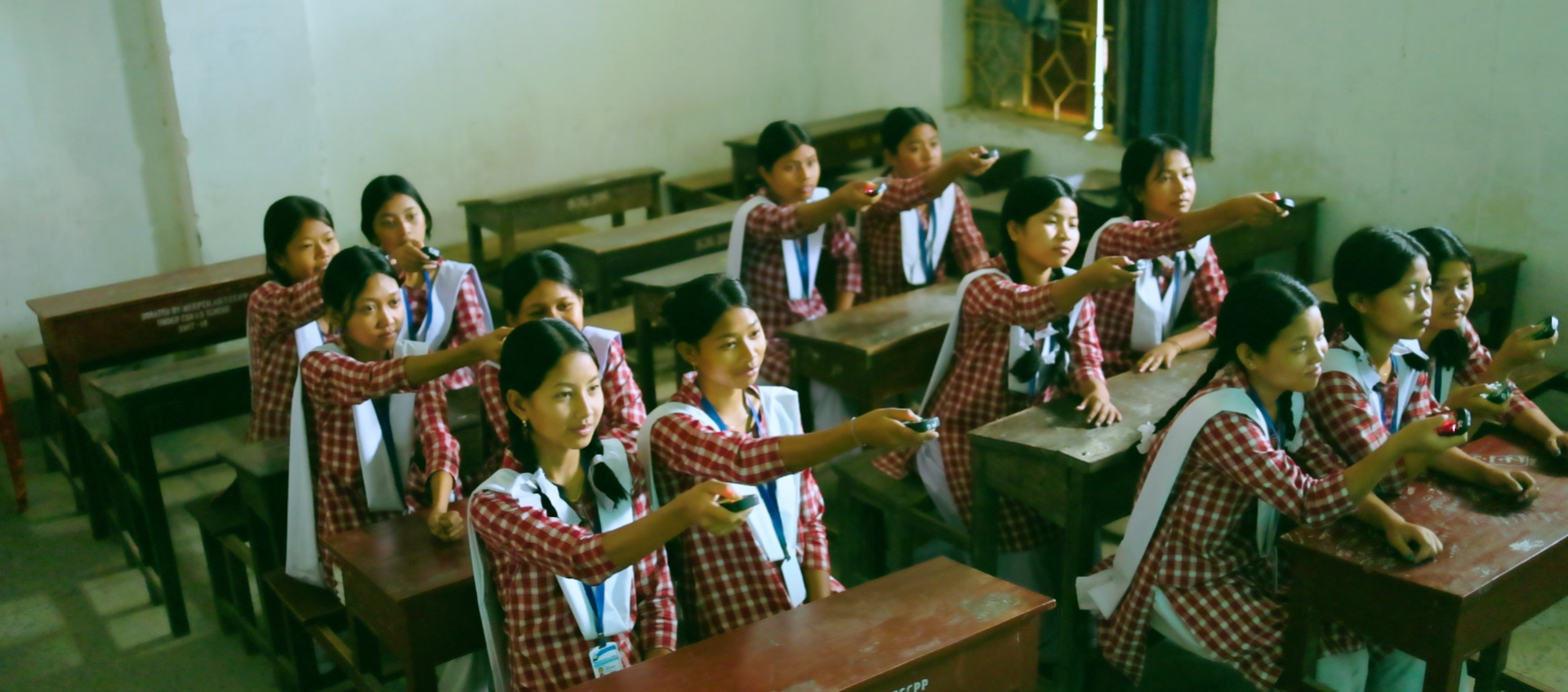
The tools available in online classrooms today make building this environment easier. Discussion forums, live chats, breakout rooms, and polling features allow students to interact naturally, while gamification and digital recognition motivate continued participation. For the 240 schools in Tripura, leveraging these tools alongside intentional teaching practices can transform virtual classrooms from isolated learning spaces into thriving, collaborative communities.
Ultimately, creating a positive online learning environment is about more than technology or curriculum; it’s about fostering connection, trust, and engagement. By prioritizing community, encouraging collaboration, and celebrating student achievements, educators can ensure that virtual classrooms are not just functional but truly enriching spaces where students feel supported, inspired, and ready to learn.